Japan travel guides
Verified, on-the-ground guides to planning a trip to Japan — itineraries, where to stay, what to book, and the essentials that actually matter.
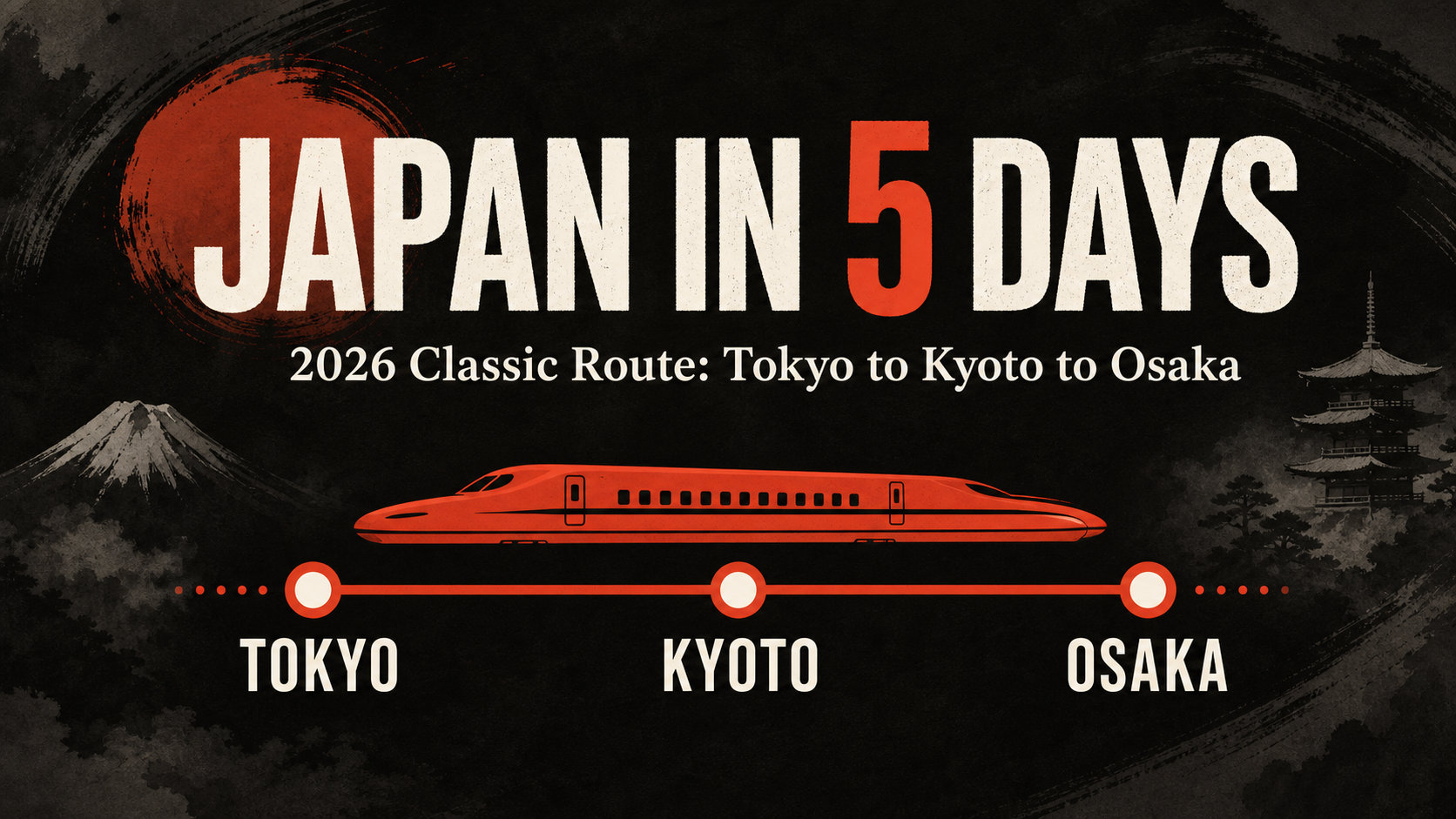
Japan 5-Day Itinerary: Tokyo, Kyoto & Osaka (The Classic Route, Optimized for 2026)
Five days in Japan is tight but absolutely doable. This itinerary routes you through Tokyo, the Shinkansen corridor, Kyoto, and Osaka — with every transport link, booking tip, and cultural moment planned so you don't waste a minute.
Read the itineraryRecently added guides
Start here for the five newest PR-JP articles added in the latest guide expansion.

Ghibli Museum & Ghibli Park Tickets: How to Plan Without Wasting a Japan Day
Compare Ghibli Museum in Mitaka and Ghibli Park in Aichi, then build a date-safe ticket plan, route, and backup day.

Anime & Character Cafes in Japan: Pokemon Cafe, Kirby Cafe and Reservation Strategy
Plan Pokemon Cafe, Kirby Cafe, and rotating character cafes without losing a whole Tokyo day to sold-out slots or awkward routing.

Tokyo Disney Tickets Guide: Disneyland vs DisneySea, App Planning and Hotel Strategy
Choose Tokyo Disneyland or DisneySea, understand dated tickets and app-based planning, then decide whether Maihama hotels are worth it.

Anime Japan Itinerary: Tokyo, Osaka and Pilgrimage Stops Without Overpacking
A realistic anime-focused Japan route for Akihabara, Ikebukuro, Nakano, Osaka/Nipponbashi, cafes, and respectful pilgrimage stops.

Tokyo Observation Decks Guide: Shibuya Sky, Skytree, Tokyo Tower and Weather Risk
Compare Tokyo's major observation decks by view type, sunset difficulty, weather risk, price sensitivity, and route fit.
Have a hotel, tour, shop, or destination that should appear in PR-JP?
PR-JP reviews partner candidates when the business has official information, a booking or inquiry path, and details that help overseas visitors decide safely.
- Official page or booking URL
- Price, capacity, and cancellation details
- Languages you can support
Experiences
Anime & Character Cafes in Japan: Pokemon Cafe, Kirby Cafe and Reservation Strategy
Plan Pokemon Cafe, Kirby Cafe, and rotating character cafes without losing a whole Tokyo day to sold-out slots or awkward routing.
Anime Japan Itinerary: Tokyo, Osaka and Pilgrimage Stops Without Overpacking
A realistic anime-focused Japan route for Akihabara, Ikebukuro, Nakano, Osaka/Nipponbashi, cafes, and respectful pilgrimage stops.
Best Japan Experiences Worth Booking in Advance (2026)
teamLab, sumo tickets, Fushimi Inari at dawn, tea ceremony, kimono rental — Japan has experiences that can make or break a trip. Here's exactly what to pre-book and what you can leave to chance.
Best Ryokan with Private Onsen in Japan: How to Choose Without Regret
Compare in-room open-air baths, private rental baths, meal plans, access, and booking sites before paying for an expensive ryokan stay.
Ghibli Museum & Ghibli Park Tickets: How to Plan Without Wasting a Japan Day
Compare Ghibli Museum in Mitaka and Ghibli Park in Aichi, then build a date-safe ticket plan, route, and backup day.
Kyoto Kimono Rental & Tea Ceremony Guide: What to Book Together
A practical Kyoto booking guide for kimono walks, tea ceremony add-ons, hair styling, photo options, and crowd timing.
Mt Fuji & Hakone Day Trip Guide: Tours, Transport and Weather Backup
How to decide between a guided Fuji-Hakone day trip and self-guided transport, with realistic weather and return-time checks.
teamLab Tickets in Tokyo: Planets vs Borderless, Time Slots & Sell-Out Strategy
How to choose the right teamLab museum, when to reserve, and what to check before buying timed tickets in Tokyo.

Tokyo Disney Resort: Disneyland vs DisneySea, Tickets & Skip-the-Line (2026)
Disneyland or DisneySea — or both? How date-based ticket pricing actually works, when to buy Disney Premier Access, the crowd-timing tricks locals use, and what to prebook before you fly.
Tokyo Disney Tickets Guide: Disneyland vs DisneySea, App Planning and Hotel Strategy
Choose Tokyo Disneyland or DisneySea, understand dated tickets and app-based planning, then decide whether Maihama hotels are worth it.
Tokyo Food Tours Guide: Tsukiji, Shinjuku, Shibuya & Asakusa
Choose a Tokyo food tour by neighborhood, time of day, language support, and how much eating versus walking you actually want.
Tokyo Observation Decks Guide: Shibuya Sky, Skytree, Tokyo Tower and Weather Risk
Compare Tokyo's major observation decks by view type, sunset difficulty, weather risk, price sensitivity, and route fit.

Universal Studios Japan Guide: Tickets, Express Passes & Super Nintendo World (2026)
USJ in Osaka rewards planning like almost no other park. Here's exactly which ticket and Express Pass to buy, how the Super Nintendo World area ticket works, when to go, and what to pre-book versus walk up.
Japan guides
21 Mistakes Tourists Make in Japan (and What to Do Instead) — 2026
Nobody will tell you you're being rude in Japan — they'll just quietly absorb it. These are the 21 mistakes that actually matter (and the dozen 'rules' you can ignore), from tipping and chopsticks to escalator sides, IC-card gates, and the onsen tattoo question — with the exact thing to do instead.
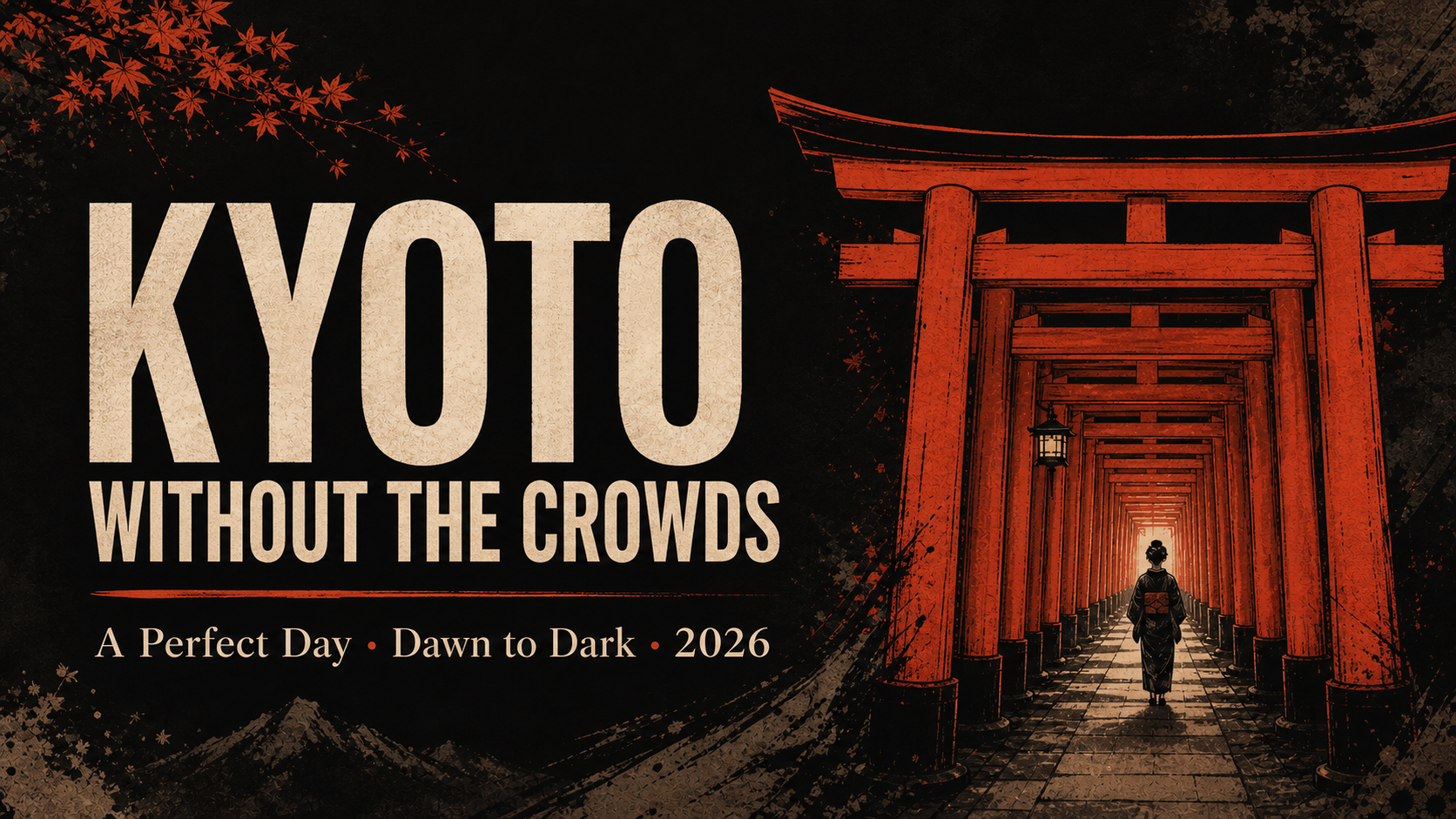
A Perfect Day in Kyoto Without the Crowds (2026)
Kyoto's icons are mobbed from 10 AM to 4 PM — but at 6:30 AM they're nearly empty and unforgettable. This is a dawn-to-dark day plan that gets you Fushimi Inari, Arashiyama, and Higashiyama almost to yourself, built on the one skill that separates a great Kyoto day from a frustrating one: timing.
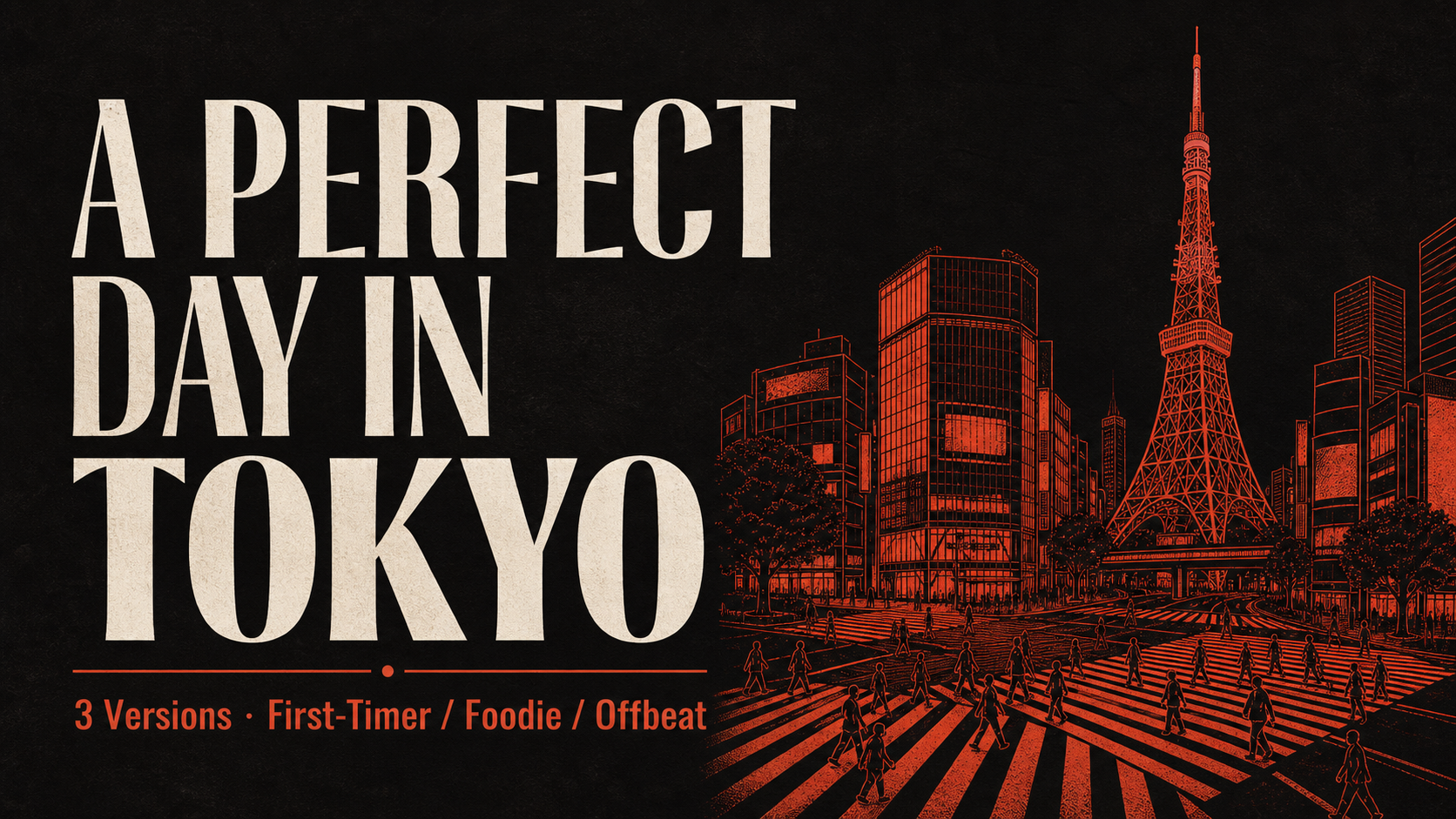
A Perfect Day in Tokyo: 3 Versions (First-Timer / Foodie / Offbeat)
Tokyo is too big to 'wing it' — but you don't need to. Here are three hour-by-hour day plans built for who you actually are: the first-timer chasing the icons, the foodie eating their way across the city, and the offbeat traveler skipping the obvious. Each one is timed to dodge the crowds and the trains at rush hour.

Anime Pilgrimage in Japan: Real-World Locations by Series (2026)
Seichi junrei — 'sacred site pilgrimage' — is the art of standing exactly where your favorite anime was set. This guide maps the real stations, shrines, schools, and street corners behind the series fans actually travel for, with the etiquette that keeps these neighborhoods open to visitors.

Buying Electronics & Gadgets in Japan: Tax-Free, Akihabara, Yodobashi & the Voltage Traps (2026)
Japan is a famous electronics destination — but the savings are real only if you avoid the traps. This guide covers the buy-before-you-fly checklist (voltage, plug type, the giteki radio-law trap, warranty, tax-free), which stores to use, and what's genuinely worth buying versus what isn't.

Cherry Blossoms & Autumn Leaves in Japan: When to Go & Where to See Them
Japan's sakura and koyo seasons are bucket-list moments — but timing is everything. Here's how to track forecasts, choose the best spots, and plan a trip that actually works.
First Time in Japan? The Only Starter Guide You Need (2026)
Overwhelmed before you've even booked? This is the one page that turns 'I want to go to Japan' into a real trip: how many days you need, which cities to pick, what to book before you fly, and exactly how to handle money, data, and rail. A pre-departure checklist and a decision flow you can screenshot and follow.
Japan 5-Day Itinerary: Tokyo, Kyoto & Osaka (The Classic Route, Optimized for 2026)
Five days in Japan is tight but absolutely doable. This itinerary routes you through Tokyo, the Shinkansen corridor, Kyoto, and Osaka — with every transport link, booking tip, and cultural moment planned so you don't waste a minute.
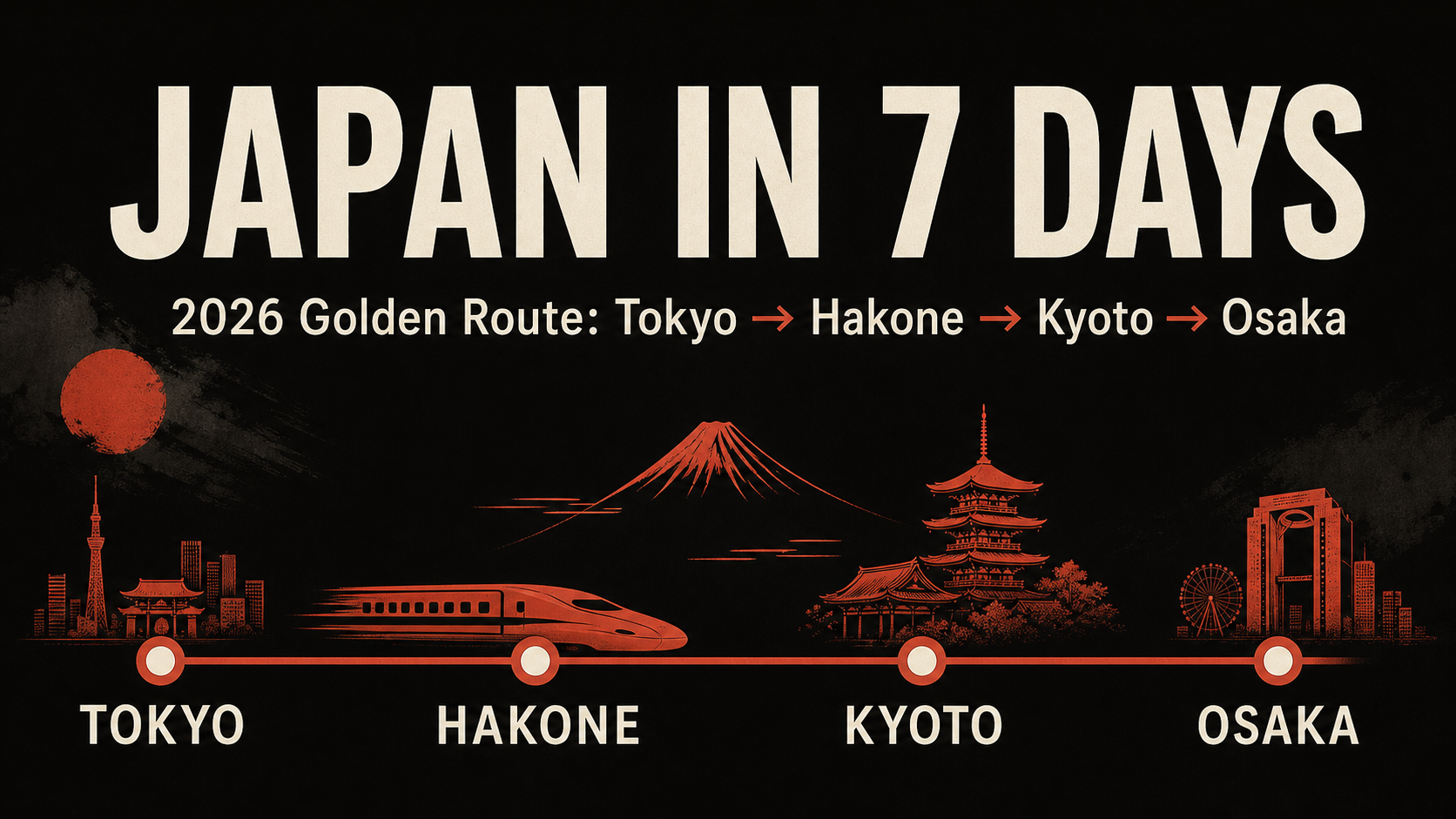
Japan 7-Day Itinerary: The First-Timer Golden Route (Tokyo, Hakone/Fuji, Kyoto, Osaka — 2026)
Seven days is the sweet spot for a first trip to Japan. This day-by-day plan runs the Golden Route — Tokyo, Hakone for Mount Fuji, Kyoto, and Osaka — with every Shinkansen connection, where to sleep each night, what to prebook, plus foodie and with-kids variations.
Japan on a Budget: Where to Save, Where It's Worth It (2026)
Japan is cheaper than its reputation if you know which corners to cut — and which to never cut. Here's the honest breakdown: a per-day budget table from shoestring to comfortable, the konbini-and-teishoku eating strategy, when the rail pass actually saves money, and the handful of splurges that are genuinely worth it.
Japan Onsen Guide: Etiquette, Tattoo Rules & the Best Hot-Spring Towns (2026)
A hot spring is the most restorative thing you can do in Japan — but the naked-bathing, wash-first, towel-out-of-the-water etiquette trips up almost every first-timer, and tattoos need a plan. Here's the whole system: step-by-step manners, tattoo-friendly options, public vs private vs ryokan baths, and the best onsen towns at a glance.

Japan Souvenirs Worth Buying (And Exactly Where to Get Them) — 2026
Skip the airport keychains. This is the guide to Japanese souvenirs that are actually worth the suitcase space — what to buy, who it's for, exactly which shops and districts to buy it in, and how to ship it home or order it from overseas with Buyee.
Japan with Kids: The Stress-Free Family Plan (2026)
Japan is one of the easiest, safest, most kid-delighting countries you can travel with children — if you plan around nap times, luggage, and the few genuine friction points (strollers on stairs, high chairs, dietary needs). Here's a stress-free family day-plan, a what-to-book-ahead list, and the logistics that make or break a trip with kids.
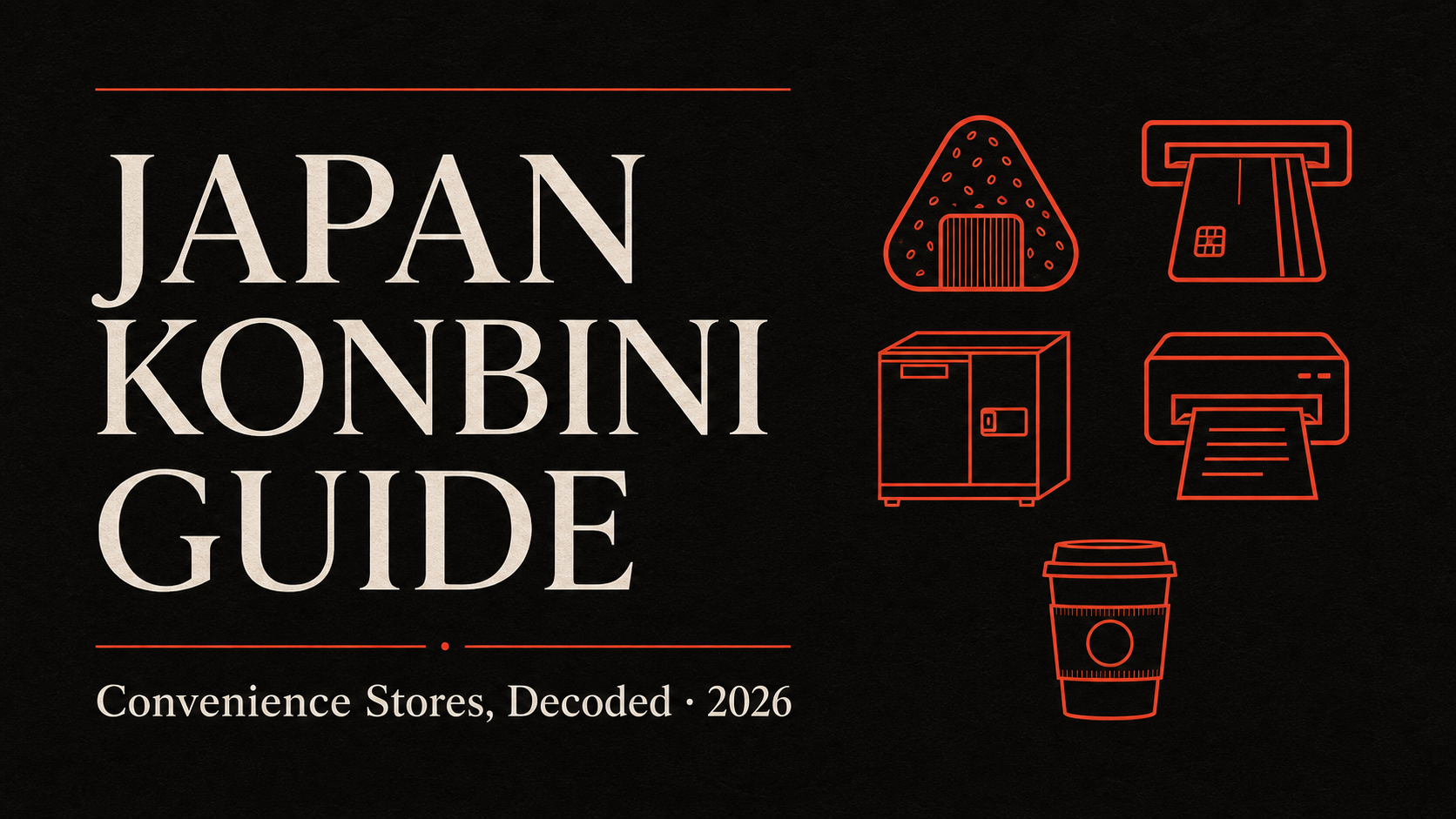
The Japan Convenience Store Guide: 7-Eleven vs FamilyMart vs Lawson, and Every Service Travelers Actually Use
Japan's konbini aren't a backup plan — they're one of the best parts of the trip. This is the practical guide: what makes 7-Eleven, FamilyMart, and Lawson different, the must-try food and drink, and the traveler services most people never discover — foreign-card ATMs, ticket and parcel counters, printing, bill pay, and free WiFi. With a chain comparison table and a services checklist you can screenshot.
The Japan Packing List by Season (+ What to Buy There Instead) — 2026
Pack for Japan's actual weather, not the average — humid summers, dry sub-zero winters, and the two glorious shoulder seasons — and skip the things you can buy better and cheaper on arrival. Here's a season-by-season checklist, the items that genuinely matter (slip-on shoes, a coin pouch, a foldable bag), and what to deliberately leave home and buy there instead.
What to Buy in Japan: The Complete Shopping Guide for Visitors (2026)
From tax-free shopping in department stores to shipping collectibles home via proxy buyers, this guide covers everything you need to know about getting great Japanese products into your hands — and legally out of the country.
What to Eat in Japan & How to Order (Sushi, Ramen, Izakaya, Conveyor, Vending)
Japanese food isn't intimidating once you know the rules of each room. This is the practical guide: what to order at a sushi counter vs a conveyor belt, how izakaya actually work, how to read a ramen ticket machine, and the etiquette do's and don'ts that separate a smooth meal from an awkward one. With a what-to-order-where cheat sheet you can screenshot.
City & area guides

A Perfect Day in Osaka: Street Food, Neon & Easy Day-Trips (2026)
Osaka isn't a temple city you tiptoe through — it's a loud, generous, eat-until-you-hurt city, and the trick is to pace your stomach, not your feet. This is a morning-to-midnight plan built around kuidaore ('eat yourself broke'), with the exact street-food order, the right neighborhoods at the right hours, and how to bolt on Nara, Kobe, or Himeji without breaking the day.

Akihabara Anime & Otaku Guide: The Ultimate Tokyo Shopping District for Fans (2026)
Akihabara is the world's densest concentration of anime merchandise, electronics, retro games, and collector culture. This guide tells you where to go, what to buy, how to ship it home, and how to navigate the district like a regular.
Gran Tenku: Japan's New Train to Mt. Koya — and How to Do a Temple Stay (2026)
Nankai's new Gran Tenku sightseeing train (launched April 2026) makes the climb to Mt. Koya an experience in itself. This is the complete plan: how to ride it, how a shukubo temple stay actually works, what to do at Okunoin after dark, and a tested 2-day itinerary from Osaka.
Hiroshima & Miyajima: Peace Park, Oysters & the Floating Torii (2026)
Hiroshima is two trips in one: a city that turned the worst day in human history into the world's most moving argument for peace, and a sacred island where a vermilion gate appears to float on the sea. The catch nobody tells you — the gate only 'floats' at high tide, and Miyajima runs on a tide table. This guide gives you the 1–2 day plan, the exact tide-and-ferry strategy, and how to walk the Peace Park so it lands.
Kanazawa & the Hokuriku Coast: Old-Japan Elegance Without the Crowds (2026)
Kanazawa has the geisha districts, the samurai quarter, and one of Japan's three great gardens — but a fraction of Kyoto's crowds. With the Shinkansen now extended to Tsuruga, the whole Hokuriku coast is easier to loop than ever. Here's the full 2–3 day plan, the pass math, and where to sleep.
Kyoto Luxury Ryokan Guide: Higashiyama, Arashiyama and Machiya Stays
Compare Kyoto luxury ryokan and machiya by neighborhood, dinner style, bath type, privacy, and station access.
Kyoto Too Crowded? 7 Alternatives That Still Feel Like Old Japan (2026)
Kyoto's bus fares jumped to a two-tier system and Fushimi Inari and Arashiyama are shoulder-to-shoulder by 10 AM. These seven towns deliver the same old-Japan feeling — wooden streets, samurai districts, canal-side teahouses — without the crush. Here's exactly which one fits your trip.
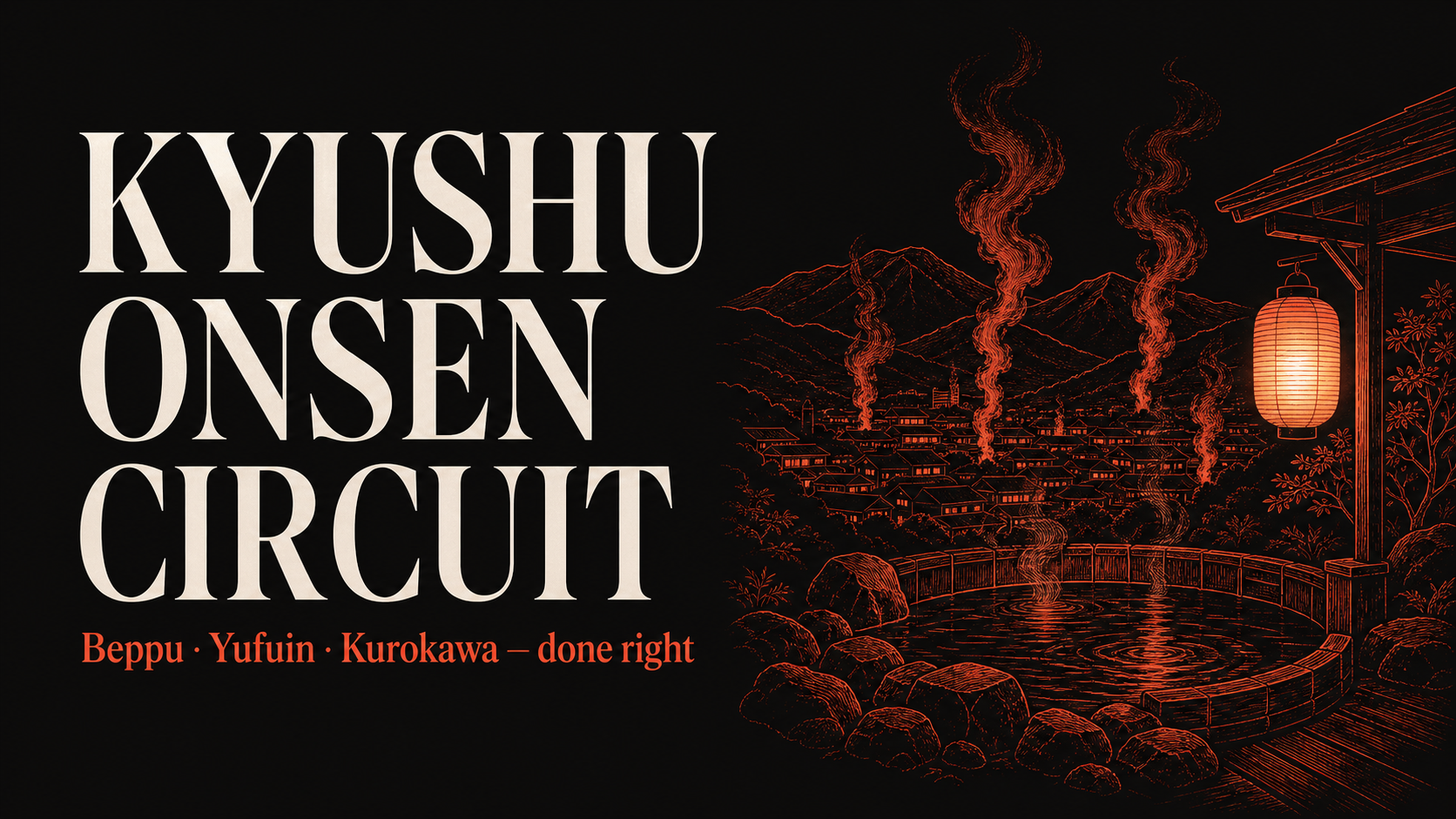
Kyushu Onsen Circuit: Beppu, Yufuin & Kurokawa Done Right (2026)
Beppu's steaming hells, Yufuin's elegant mornings and Kurokawa's lantern-lit baths are the holy trinity of Kyushu hot springs. Here's how to loop all three the smart way — with the right ryokan, the right order, and the right rail pass.
Mount Fuji Guide: How to See It, Whether to Climb It, and When It's Actually Visible (2026)
Almost everyone wants Mount Fuji, and almost everyone gets one of two things wrong: they chase the summit when they only wanted the view, or they show up on a hazy summer afternoon and never see the mountain at all. This guide separates the two decisions cleanly — where to SEE Fuji (Kawaguchiko, Hakone, the Chureito Pagoda, Gotemba) versus whether to CLIMB it — and is honest about the one thing most guides bury: Fuji is shy, and when you go matters more than where you stand.

Nara Day Trip Done Right: Deer, the Great Buddha & a Perfect Half-Day (2026)
Nara is the easiest, most rewarding half-day in the Kansai region — bowing deer, a 15-metre bronze Buddha in the world's great wooden hall, and lantern-lined paths — and almost everyone does it slightly wrong. They arrive at 11, fight the tour buses, and rush. This is the dawn-ish, in-order half-day from Kyoto or Osaka, plus the deer manners nobody warns you about (yes, they bite).

Niseko & Hokkaido Skiing: Rentals, Lessons, Lift Passes & Planning Guide
Niseko delivers some of the world's best powder snow — and Hokkaido has resorts for every level. Here's everything you need to plan your Japan ski trip: rentals, lessons, lift passes, and getting there.

Okinawa & the Islands: Beaches, Reefs, Ryukyu Culture & How to Island-Hop (2026)
Okinawa isn't one place — it's a 1,000-km arc of islands with wildly different vibes, from resort-and-aquarium Okinawa Main Island to the coral-rimmed Yaeyamas near Taiwan. This guide gives you the island-picking matrix, the best season, exactly how to hop between them, and the Ryukyu culture most visitors miss.

Setouchi Art Islands + Shimanami Kaido: The 2026 Plan That Actually Works
Naoshima, Teshima and the Shimanami Kaido cycling route are some of Japan's most rewarding trips — and the easiest to plan badly. Here's the ferry-timed, Monday-closure-proof plan that actually works in 2026.
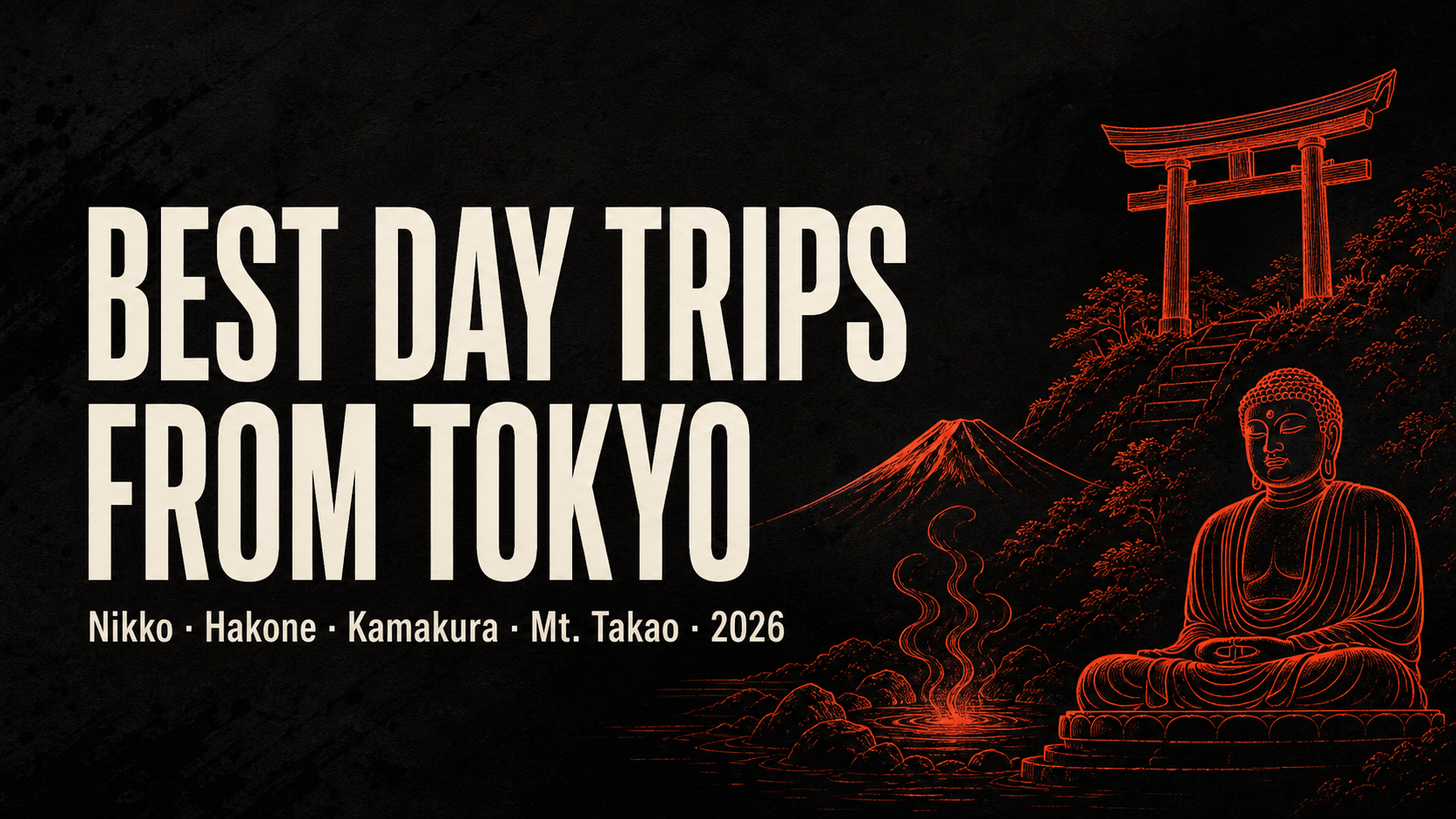
The 10 Best Day Trips from Tokyo (Nikko, Hakone, Kamakura, Mt. Takao & More) — 2026
Tokyo is incredible, but the best day of your trip might be the one you spend leaving it — shrines in the cedar mountains, a giant bronze Buddha by the sea, hot springs with a Mt. Fuji view, a 2-hour hike that ends at a beer garden. The hard part isn't choosing a destination; it's matching the right trip to what you actually want. This is the by-purpose decision table, with exact travel times, the right passes, and the timing tricks.
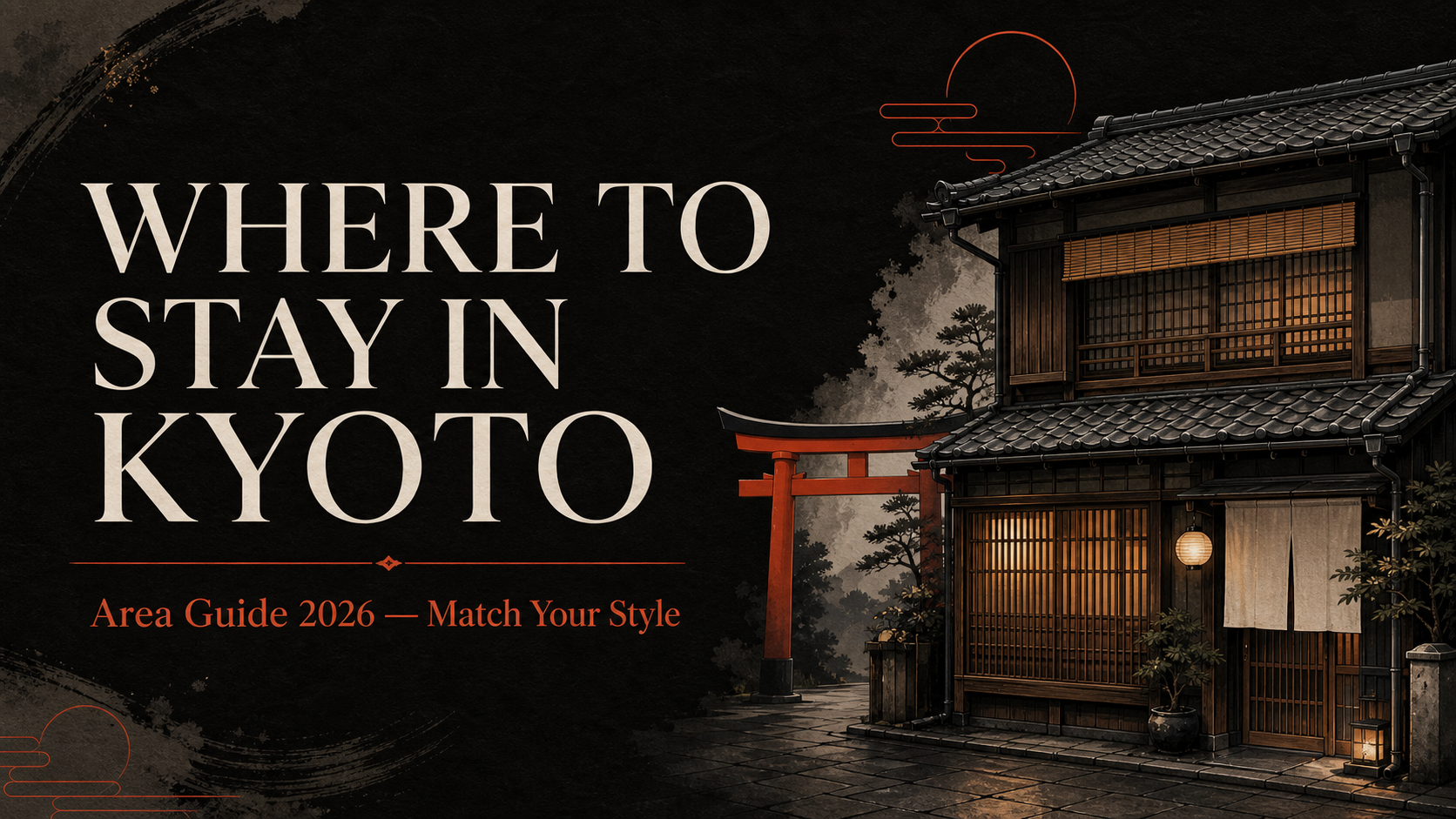
Where to Stay in Kyoto: Best Areas for Every Traveler (2026)
Kyoto's neighborhoods feel completely different from each other. This guide matches your travel style — temples, foodie, budget, or luxury — to the right area, so you wake up exactly where you need to be.

Where to Stay in Osaka: Best Neighborhoods for Every Budget and Style (2026)
Osaka is loud, delicious, and wildly fun — but where you base yourself changes the whole trip. This guide breaks down the city's key areas so you can pick the right neighborhood for your style and budget.

Where to Stay in Tokyo: Best Areas by Traveler Type (2026)
Tokyo's neighborhoods each have a distinct personality. This guide matches you with the right area — whether you're after luxury, budget, nightlife, tradition, or family fun.
Travel essentials

Getting Around Japan: The Complete Transport Guide (Trains, IC Cards, Passes, Buses & More)
Japan's transport network is world-class but genuinely confusing on first contact. This is the hub guide that ties it all together — trains, IC cards, the JR Pass decision, buses, taxis, domestic flights, and when a rental car actually makes sense — so you can plan the right mix for your trip instead of overpaying or overthinking.

Halal, Vegetarian & Vegan in Japan: How to Eat Well Without Stress
Eating halal, vegetarian, or vegan in Japan is absolutely possible — but it requires knowing how to ask, where to look, and what traps to avoid. This guide covers everything from reading menus to finding certified restaurants.
How to Ride the Shinkansen: The Complete Bullet Train Guide (2026)
Reserved or non-reserved? Machine or app? Which side has Mt. Fuji? Here's the full, no-nonsense guide to riding Japan's bullet train — tickets, seats, luggage rules, and the mistakes first-timers make.
Is the Japan Rail Pass Worth It in 2026? An Honest Breakdown
The Japan Rail Pass is famous — but it's not for everyone. This honest guide walks you through the math, the routes, and exactly who should (and shouldn't) buy one in 2026.
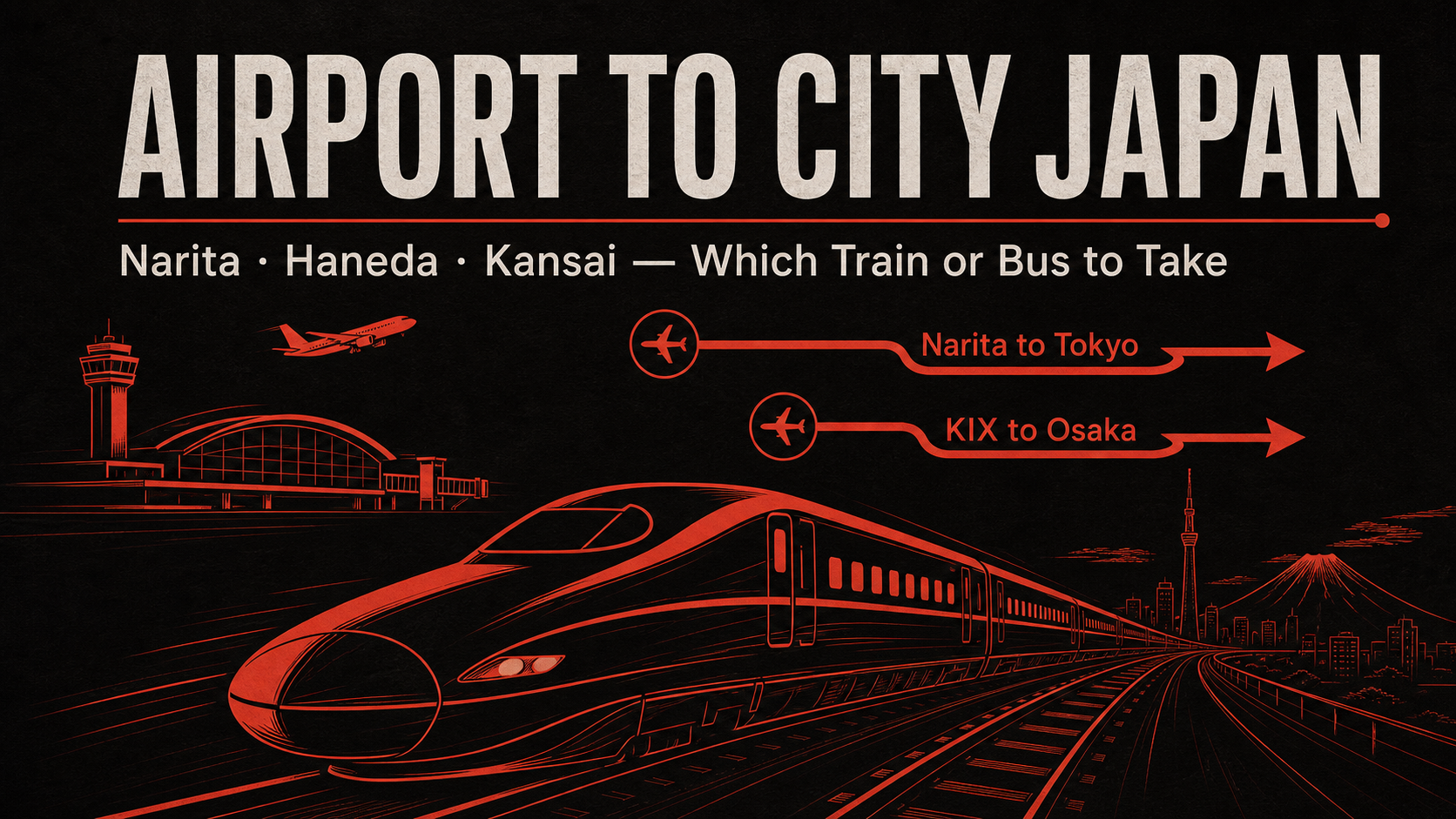
Japan Airport to City Access: Narita, Haneda & Kansai (KIX) Transport Guide
Land at Narita, Haneda, or Kansai Airport and you'll face a dozen transport options. This guide cuts through the noise: which train, bus, or transfer service is right for your situation — and how to book it.
Japan eSIM & Staying Connected in 2026: The Complete Guide
Everything you need to know about getting mobile data in Japan — eSIM, physical SIM, pocket WiFi, and roaming — so you're never lost offline.
Japan Luggage Delivery & Storage Guide: Hands-Free Travel Without Stress
Compare hotel-to-hotel delivery, airport counters, station lockers, city storage, and suitcase rental for smoother Japan transfers.
Japan Pocket WiFi vs eSIM Guide: Which Connection Should You Book?
Choose between eSIM and pocket WiFi by group size, phone compatibility, pickup stress, tethering, and support needs.
Japan Travel Apps 2026: The Complete Phone Setup Guide
The essential apps to install before you fly to Japan — transit routing, translation, offline maps, cashless pay, IC cards, weather, and restaurant booking — plus the order to set them up in.
Money in Japan 2026: IC Cards, Cash vs Card, Wise, and Travel Insurance
Japan is shifting from cash-only to card-friendly — but cash still rules in key situations. Here's exactly how to handle money in Japan, from yen withdrawal to IC cards, Wise, and whether you need travel insurance.

Tokyo Family Hotels Guide: Best Areas, Room Rules and Booking Checks
Choose Tokyo family hotels by area, bed setup, child age rules, breakfast, laundry, station access, and cancellation flexibility.
Travel Japan Hands-Free: The Complete Luggage Forwarding Guide (2026)
You don't have to drag a suitcase through Shibuya Station or up three flights of ryokan stairs. Japan's takkyubin luggage-forwarding network lets you send bags hotel-to-hotel or airport-to-hotel overnight while you travel with just a daypack — here's how coin lockers, same-day delivery, and suitcase rental fit together, and exactly how to send your first bag.